Creating a relaxing home office environment is essential for maintaining productivity and reducing stress while working from home. A well-designed workspace can boost your focus, keep you motivated, and improve your overall well-being. Whether you have a small corner or a dedicated room, here are practical tips to help you build a calming and effective home office space.
Choose the Right Location
Find a Quiet Spot
Select a space in your home that is quiet and away from distractions like the TV, kitchen, or noisy areas. A peaceful environment supports concentration and reduces interruptions.
Consider Natural Light
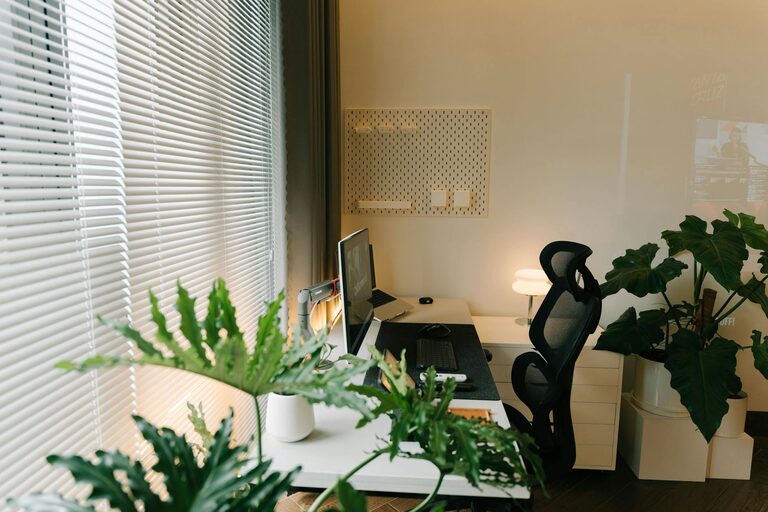
Try to position your desk near a window. Natural light can enhance your mood, improve alertness, and reduce eye strain. If natural light is limited, invest in good quality lighting that mimics daylight.
Invest in Comfortable and Ergonomic Furniture
Ergonomic Chair
A supportive chair that encourages good posture is crucial. Look for adjustable features that fit your body comfortably to prevent back pain during long work hours.
Functional Desk
Choose a desk with enough surface area for your computer, stationery, and essential items. Standing desks or adjustable desks are great options to vary your posture throughout the day.
Keep Your Workspace Organized
Declutter Regularly
A tidy workspace minimizes distractions and helps your mind stay clear. Use drawers, shelves, or boxes to store unnecessary items and keep your desk surface clean.
Use Organizers and Accessories
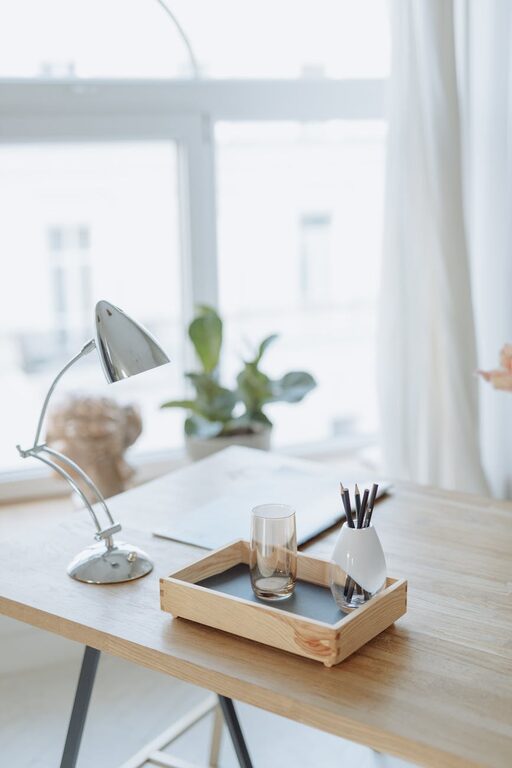
Desk organizers, cable management tools, and file holders can help keep your workspace neat and efficient.
Incorporate Calming Elements
Use Soothing Colors
Colors like soft blues, greens, or neutral tones promote relaxation and focus. Avoid overly bright or harsh colors that may cause agitation.
Add Plants
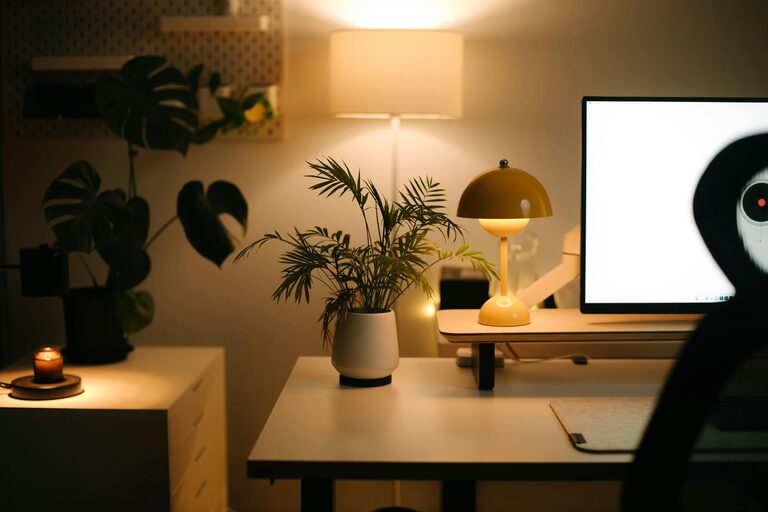
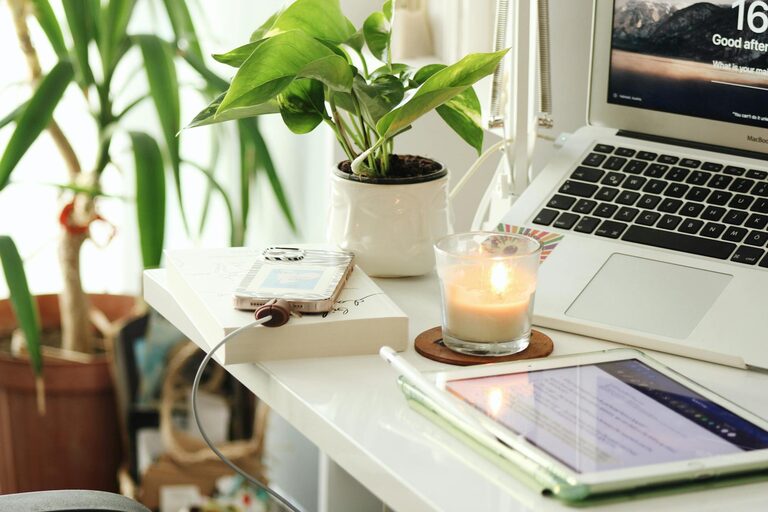
Indoor plants not only beautify the space but also improve air quality and create a sense of calm. Easy-care plants like succulents, spider plants, or peace lilies are good options.
Control Noise Levels
If your home is noisy, consider noise-cancelling headphones or a white noise machine to block distractions and maintain concentration.
Personalize Your Space Thoughtfully
Display Motivational Items
Keep a few inspiring quotes, photos, or artwork that motivate you, but avoid cluttering the space with too many personal items.
Keep Essential Tools Handy
Place frequently used items within easy reach to boost efficiency and reduce frustration.
Create Boundaries Between Work and Relaxation
Define Your Workspace
Having a separate area dedicated to work helps your brain associate the space with productivity and signals when it’s time to start or stop working.
Establish a Routine
Start and finish work at set times, and use rituals like opening a window or making a cup of tea to mark the start of your workday.
Prioritize Good Air Quality and Temperature
Ventilation
Fresh air can improve alertness and comfort. Open windows occasionally or use an air purifier to maintain good indoor air quality.
Comfortable Temperature
Keep your workspace at a comfortable temperature to avoid feeling too cold or too hot, which can distract you from work.
Incorporate Break-Friendly Features
Create a Relaxation Corner
If space allows, include a comfortable chair or cushion nearby where you can take short, mindful breaks to refresh your mind.
Use Timers
Set reminders to stand up, stretch, or walk around to reduce physical strain and improve circulation during long work sessions.
—
Creating a relaxing home office environment is a balance of comfort, organization, and personalization. By following these tips, you can design a space that supports your productivity and well-being, making your workdays more enjoyable and efficient. Remember, a calm and orderly workspace isn’t just about aesthetics—it’s about creating a sanctuary where you can focus and thrive.
About the Author