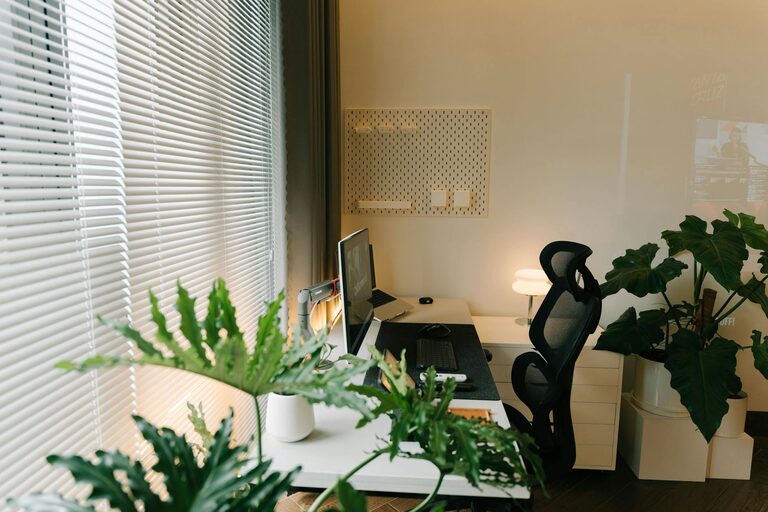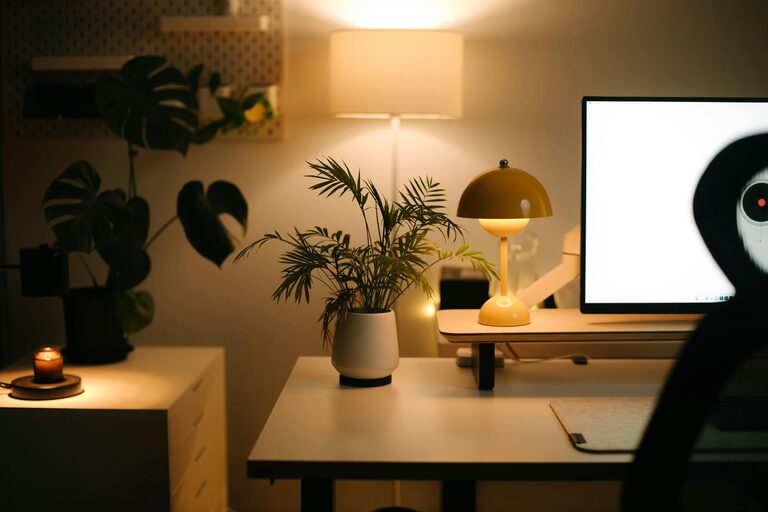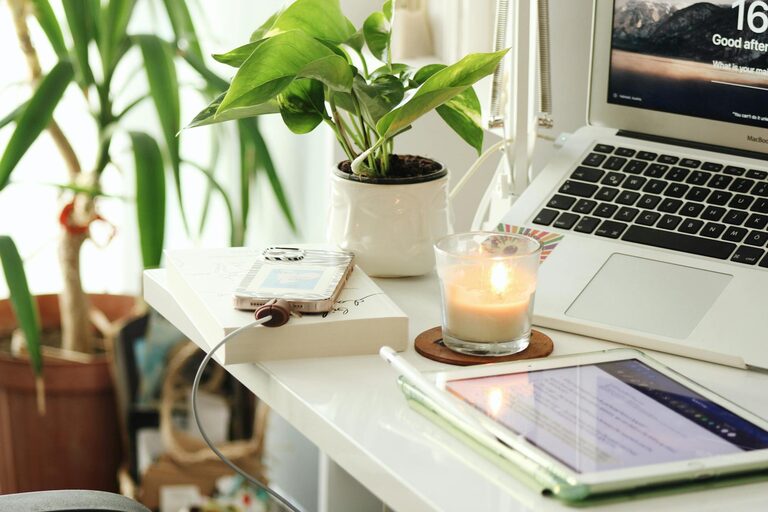
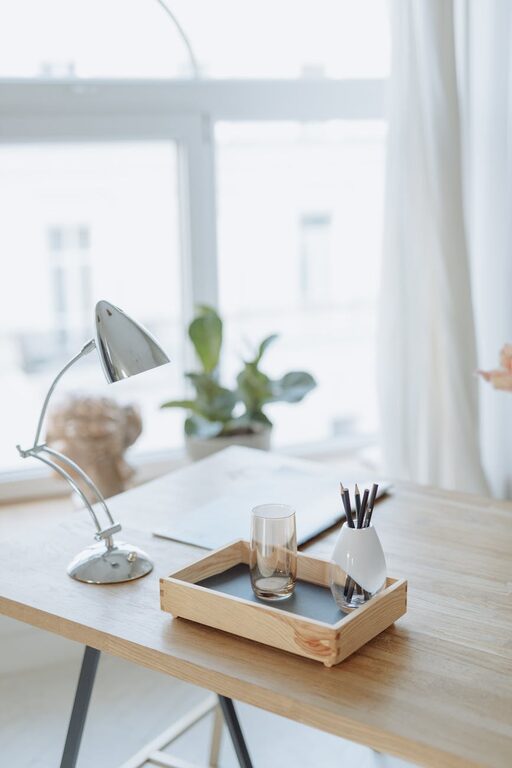
Creating a home office that feels both cozy and functional can significantly boost your productivity and make working from home a more enjoyable experience. Whether you have a dedicated room or just a small corner, designing the right workspace is essential. In this post, we’ll share practical tips to help you create a home office that is comfortable, organized, and inspiring.
Assess Your Space and Needs
Before you start decorating or buying furniture, consider what you need from your home office.
– Space Availability: Do you have a separate room, or will you use a corner in a shared space? Understanding this will guide your furniture and layout choices.
– Work Requirements: Think about the type of work you do. Do you need a large desk for multiple monitors, space for paperwork, or just a laptop setup?
– Storage Needs: Plan where you will keep files, books, and office supplies so your workspace stays clutter-free.
Choose the Right Desk and Chair
Your desk and chair are the foundation of a functional office.
– Desk: Select a desk that matches your work style and room size. If space is limited, a wall-mounted or fold-out desk can be a great option.
– Ergonomic Chair: Investing in a comfortable, ergonomic chair helps prevent back pain and supports good posture during long work sessions.
– Desk Height and Layout: Make sure the desk height suits you to avoid strain. Keep frequently used items within arm’s reach to improve efficiency.
Optimize Lighting
Good lighting is vital for comfort and productivity.
– Natural Light: Position your workspace near a window if possible, to benefit from natural light, which can reduce eye strain and improve mood.
– Task Lighting: Add a desk lamp to provide focused illumination on your work area during darker hours.
– Avoid Glare: Place screens and light sources carefully to reduce glare and reflections on your monitor.
Personalize Your Space with Cozy Elements
Adding cozy touches can make your office a space you look forward to spending time in.
– Soft Textiles: Introduce a comfortable rug, cushions, or a throw blanket to add warmth and texture.
– Plants: Indoor plants not only improve air quality but also add a natural, calming feel to your workspace.
– Artwork and Decor: Personalize the space with art, inspirational quotes, or objects that make you happy but don’t distract you.
– Color Choices: Use calming colors such as soft blues, greens, or neutrals to create a relaxing atmosphere.
Organize for Efficiency
An organized space helps the mind stay clear and focused.
– Storage Solutions: Use shelves, filing cabinets, and desk organizers to keep your items neat and accessible.
– Cable Management: Keep cords tidy with clips, ties, or cable boxes to avoid a messy appearance and potential hazards.
– Declutter Regularly: Set aside time weekly or monthly to clear unnecessary items and keep your workspace fresh.
– Digital Organization: Beyond physical tidiness, maintain organized digital files and emails for smoother workflow.
Incorporate Technology Thoughtfully
Technology can enhance your home office experience, but it’s important to balance functionality with simplicity.
– Essential Equipment: Use reliable devices like a fast computer, quality monitor, keyboard, and mouse.
– Connectivity: Ensure strong internet access and have backup options if needed.
– Noise Management: Consider noise-cancelling headphones or white noise machines if your environment is noisy.
Create Zones for Different Tasks
If your space allows, design different areas to switch between tasks.
– Work Zone: Your main desk setup for focused tasks.
– Break Zone: A small comfortable chair or corner for stretching, reading, or relaxing your mind.
– Storage Zone: Keep supplies and documents organized nearby but separate from your work area.
Maintain Healthy Habits
A home office should encourage well-being alongside productivity.
– Regular Breaks: Step away from your desk regularly to stretch, walk, or rest your eyes.
– Air Quality: Keep the room ventilated and consider using an air purifier.
– Posture Awareness: Pay attention to your sitting posture and consider a sit-stand desk if you prefer standing at times.
Final Thoughts
Designing a cozy and functional home office is about balancing comfort and practicality. By thoughtfully arranging your space, choosing the right furniture, and adding personal touches, you can create an environment that supports your work and well-being. Take the time to evaluate your needs and customize your office to best fit your style and routine. Happy decorating!
About the Author