Creating a home office that feels both cozy and productive can dramatically improve your work-from-home experience. A well-designed workspace encourages focus, reduces stress, and makes daily tasks more enjoyable. Whether you have a dedicated room or a small corner in your living area, these tips will help you transform your space into a comfortable and efficient office.
1. Choose the Right Location
Consider natural light
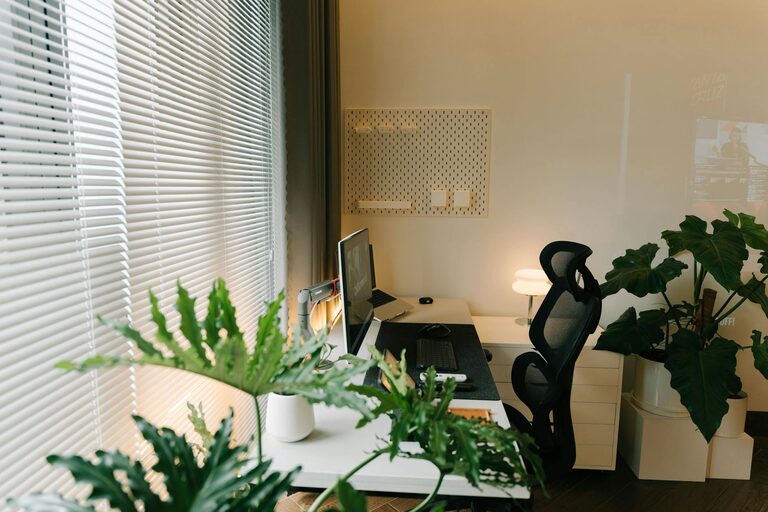
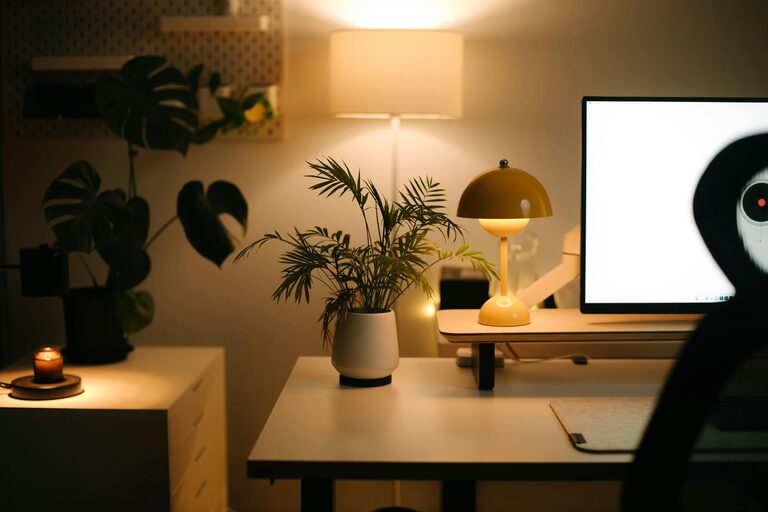
Start by selecting a spot with plenty of natural light. Sunlight helps improve mood and energy levels, which can enhance your productivity. If natural light is limited, invest in quality lighting such as adjustable desk lamps or soft ambient lights to brighten the space.
Minimize distractions
Pick an area away from household noise and heavy foot traffic. A quiet, undisturbed corner helps maintain concentration during busy work hours.
2. Invest in Comfortable and Functional Furniture
Ergonomic chair and desk
A good chair with lumbar support is essential to avoid back and neck pain. Pair it with a desk at an appropriate height to keep your posture healthy. Adjustable furniture can be especially helpful if you share your office or like to change your setup occasionally.
Desk size and storage
Choose a desk that fits your work needs—enough surface area for your computer, keyboard, and any other tools. Desks with built-in storage or additional shelves help keep essential items within reach without cluttering your workspace.
3. Personalize Your Space
Add cozy touches
Incorporate soft textiles like a rug, cushions, or a throw blanket to create a warm atmosphere. Choose colors that make you feel relaxed, such as soft blues, greens, or neutrals.
Include plants
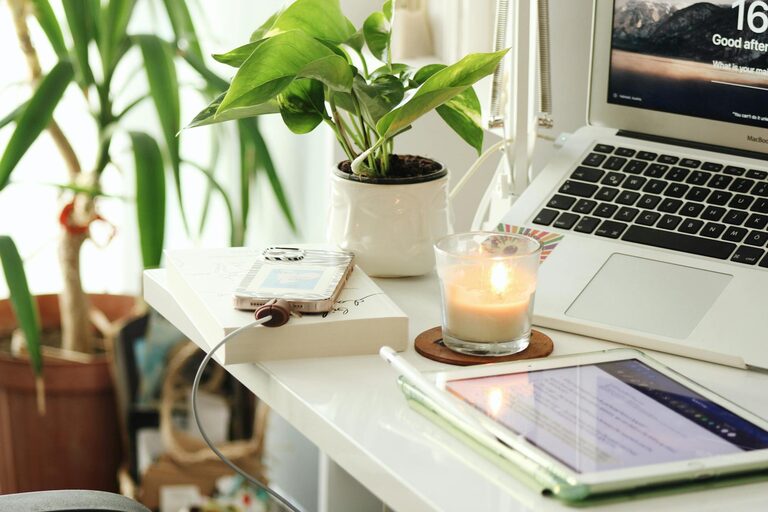
Houseplants not only improve air quality but also add a natural, calming element to your office. Easy-care plants like succulents or pothos work well in low-maintenance environments.
4. Organize Smartly
Declutter regularly
Keep your desk clear by sorting paperwork and supplies daily. Use trays, boxes, or drawer organizers to manage small items and avoid mess.
Use cable management
Tangled cables can distract and complicate your setup. Use clips, sleeves, or cable boxes to keep cords neat and out of the way.
5. Optimize Your Technology Setup
Reliable internet connection
Ensure your workspace has strong and stable internet access for seamless video calls and downloads.
Monitor position
Position your monitor at eye level to reduce strain on your neck and eyes. If you use a laptop, consider a stand and external keyboard for better ergonomics.
6. Create Zones for Different Tasks
If space allows, design separate zones within your office for various activities:
– Work zone: where your computer and primary tools live
– Creative zone: a space for brainstorming, sketching, or planning
– Relaxation zone: a small area with a comfy chair or cushion for short breaks and mental recharge
7. Set Boundaries to Stay Focused
Define your work hours
Set specific times for starting and ending your workday to help maintain balance and avoid burnout.
Signal your availability
If you share your home with others, use signs or closed doors to indicate when you should not be disturbed.
8. Keep Air Quality Fresh
Good ventilation is important to stay alert and comfortable. Open windows when possible, or use an air purifier to reduce dust and allergens in the room.
9. Incorporate Inspiring Elements
Consider adding art, motivational quotes, or photos that energize you. A vision board or calendar can also help keep goals in sight and encourage progress.
10. Review and Adapt Over Time
Your needs might change as you work from home longer. Periodically reassess your office setup and make improvements to keep your space functional and inviting.
—
Creating a cozy and productive home office space is about blending comfort with efficiency. By choosing the right location, investing in ergonomic furniture, and personalizing your workspace, you’ll build an environment that supports focus and well-being. With smart organization and regular updates, your home office can become a place you enjoy spending time—making work feel less like a chore and more like a productive, pleasant experience.
About the Author